Home / Countries / European Union

Regulatory supranational unionModern country

European Union

A supranational political and economic union, the European Union integrates democratic states through shared institutions, a common market, coordinated regulation, free movement, and a strong commitment to rights, secularism, and international cooperation.

Predominant spectrum
Left
Linked ideology
Internationalist Democracy
Closest personality
Isaiah Berlin
Compare with… Historical context ↓
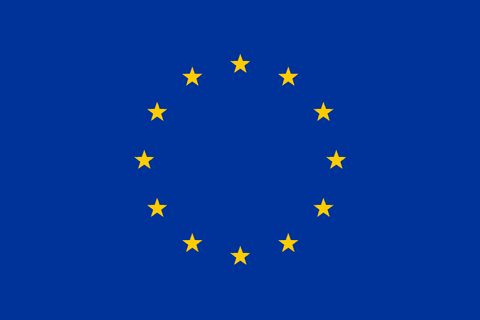
Flag: European Union

Political axes

Profile across the 12 axes

  • Structure

    Leaning · Federal
    Federal71%
    Unitary29%
  • Representation

    Strong · Democracy
    Democracy86%
    Autocracy14%
  • Power

    Leaning · Liberty
    Security43%
    Liberty58%
  • Immigration

    Leaning · Multiculturalism
    Assimilation35%
    Multiculturalism65%
  • Diplomacy

    Leaning · Pacifist
    Militarist35%
    Pacifist65%
  • Intervention

    Balanced
    Non-interventionist49%
    Nationalist51%
  • Economy

    Balanced
    Public55%
    Private45%
  • Control

    Balanced
    Planning54%
    Free market46%
  • Trade

    Balanced
    Protectionism44%
    Globalism56%
  • Religion

    Leaning · Irreligious
    Irreligious68%
    Religious33%
  • Morality

    Leaning · Progressive
    Progressive69%
    Traditionalist31%
  • Technology

    Balanced
    Technology49%
    Biology51%

What sets European Union apart

Most unusual position

Structure

Leans further toward federal than 85% of the 320 countries and regimes in the catalog.

Country median 27European Union 71

Of all the axes, Structure is where it stands furthest from the rest.

Most common position

Intervention

On Intervention, it sits practically at the catalog median.

Country median 48European Union 49

Here it shares common ground with most countries.

Historical context

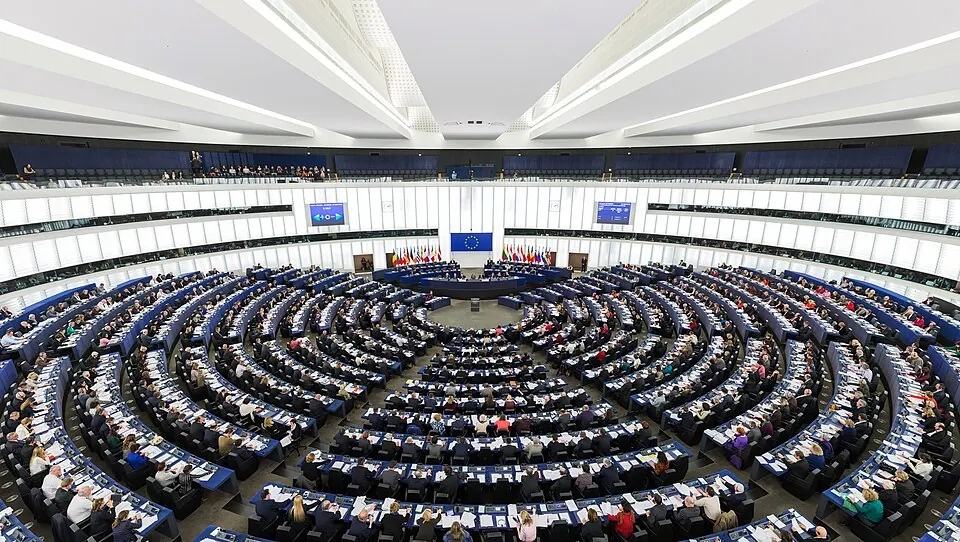
European Parliament hemicycle in Strasbourg
European Parliament hemicycle in StrasbourgDiliff · Wikimedia Commons · CC BY-SA 3.0 · Resized and converted to WebP
Political system in the catalog
Regulatory supranational union

The history and sources below give context for the institutions used in the comparison.

  1. Maastricht Treaty entered into force

    Source for this date

Sources and further reading

Frequently asked questions

Which axis sets European Union apart in the catalog?

The largest gap from the catalog median is on Structure. The profile scores 71.2% toward Federal on that axis.

How does the test calculate a match with European Union?

It compares your twelve scores with a reference profile for the contemporary political system. The score refers to that profile. Measuring public opinion would require a separate survey.

Which profile can I compare side by side?

Open the comparison with Spain to see both scores on every axis.