Christian Socialism
Current of Thomas Müntzer, the peasants of 1525 and priests such as Camilo Torres, which seeks the Kingdom of God on Earth through revolution, with common property and power in the hands of the poor.
Compare with…Home / Ideologies / Christian Socialism
Current of Thomas Müntzer, the peasants of 1525 and priests such as Camilo Torres, which seeks the Kingdom of God on Earth through revolution, with common property and power in the hands of the poor.
Compare with…In one sentence
I want the Kingdom of God on Earth through the revolution of the poor, with all goods in common and power in the hands of those who work.
Political axes
Leans further toward religious than 89% of the 276 ideologies in the catalog.
Of all the axes, Religion is where it stands furthest from the rest.
On Intervention, it sits close to the catalog median.
Here it shares common ground with most ideologies.
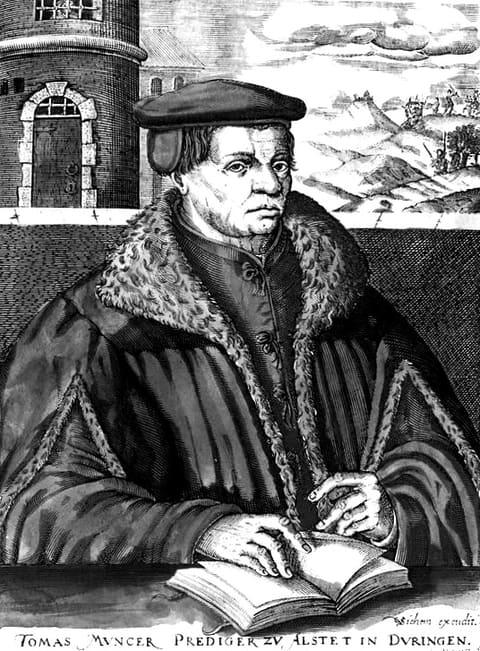
Radical Reformation preacher who broke with Luther and led peasants and miners in the German Peasants' War of 1525. He preached an apocalyptic theocracy of the elect, with goods in common and the overthrow of godless princes; he was beheaded after Frankenhausen.
Closest, by dimension

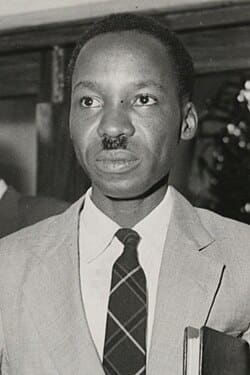

Other compatible profiles
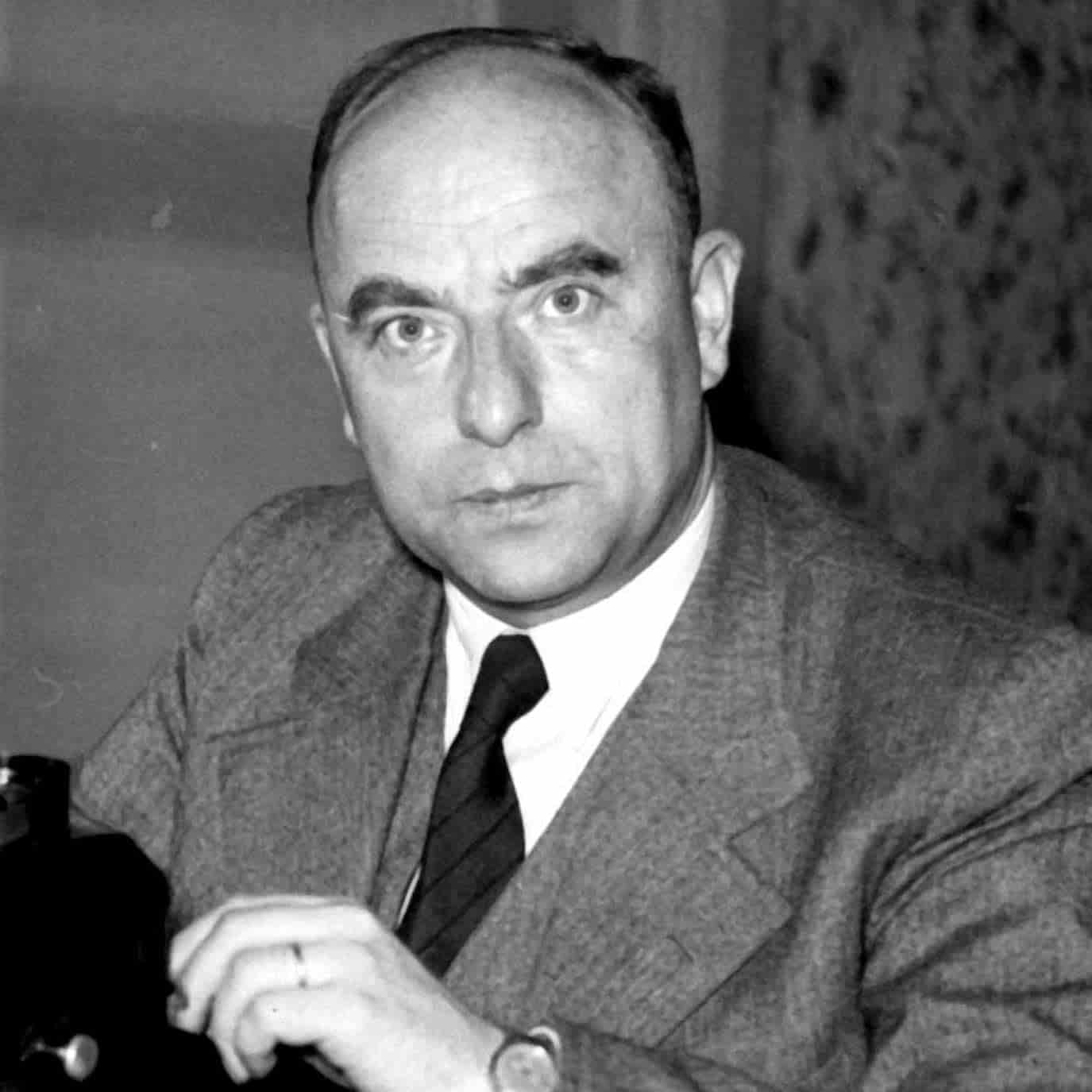
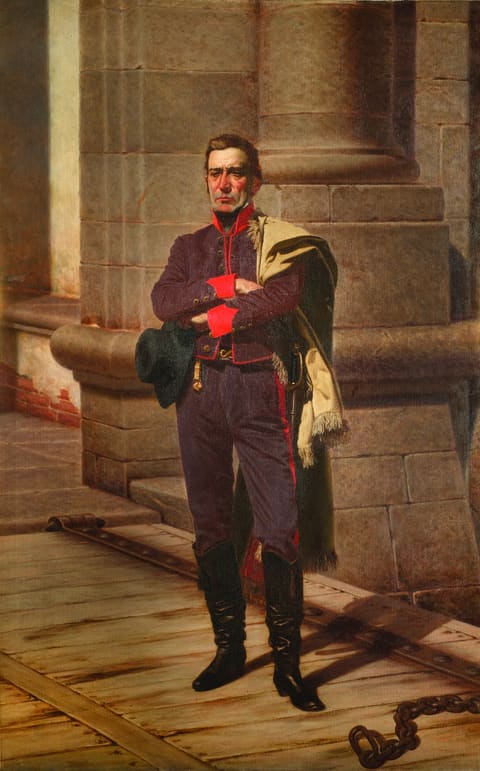
The most distant
Reference country
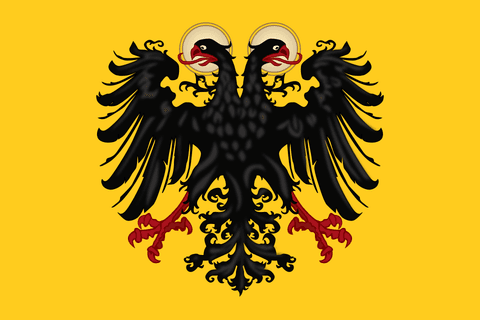
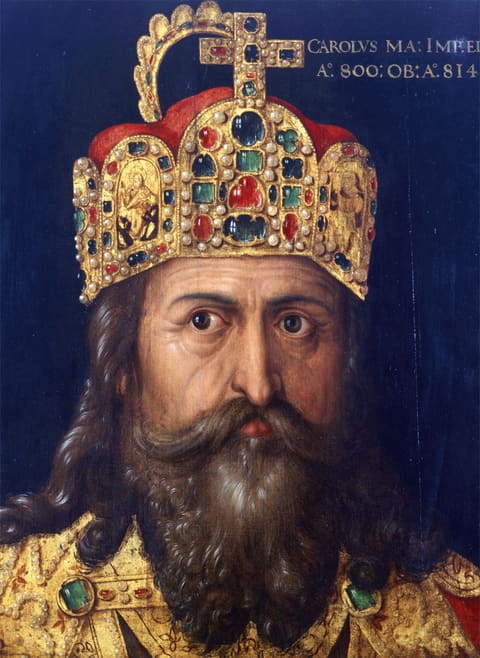
A federation of Central European territories, the Holy Roman Empire gathered principalities and cities under an elected emperor and strong Church influence, marked by fragmented power and the autonomy of its members.
Other close countries
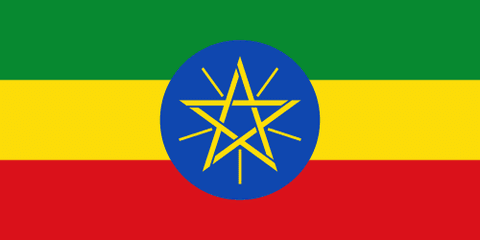
An ethnic federation in East Africa and a never-colonized state, Ethiopia is led by Abiy Ahmed and the Prosperity Party, emerging from the Tigray war, with ethnic tensions and an opening state economy, plus the Renaissance Dam.
Also close, by dimension
The most distant

China's last imperial dynasty, founded by the Manchus, the Qing ruled through a Confucian examination bureaucracy, extended the empire to Tibet and Xinjiang, restricted foreign trade to Canton and declined with the Opium Wars and the Taiping Rebellion.
Also close, by dimension

The most distant
Ideological proximity
Closest within Radical Left
Current that rejects the parliamentary and reformist path, betting on the general strike and the mobilising myth: direct union action and proletarian violence should destroy the state and the decadent bourgeoisie.
Current that builds socialism from the countryside, with a single party, collectivization into villages and cooperatives, food self-sufficiency and protection of land and forests, as in Nyerere's Ujamaa.
Theocracy led by clerical authority without popular sovereignty, which establishes from above a progressive morality as a divine commandment: gender equality, sexual liberation, sacred ecology and a break with inherited custom, seen as superstition to be reformed.
Closest in other spectrums
Russian geopolitical current that sees Eurasia as a distinct civilization and proposes a Moscow-led continental bloc, with regional autonomy and shared strategic command, against Atlanticism and US hegemony.
Río de la Plata federalist tradition founded by José Gervasio Artigas in the League of the Free Peoples (1813–1820). It advocates republican confederalism of sovereign provinces against Buenos Aires centralism, civil and religious liberty, tariff protection, and popular land reform.
A Spanish current of counter-revolutionary traditionalism, born in the 19th-century Carlist Wars under the motto God, Fatherland, Fueros and King, advocating a legitimist Catholic monarchy, religious unity, regional fueros and an organic society against liberalism.
The most distant ideology
Crypto-AnarchismLibertarian31%These are reference points for interpreting the profile. The person and polity illustrate parts of it, and may differ from it elsewhere.
The largest gap from the catalog median is on Religion. The profile scores 88.8% toward Religious on that axis.
It compares your twelve scores with the ideology profiles in the catalog. Two profiles can be close overall and still differ on a particular issue.
Open the comparison with Eurasianism to see both scores on every axis.