Conservatism
Political tradition that values order, customs, family, and consolidated institutions, preferring gradual and prudent change over rupture, based on historical experience and skepticism toward utopias.
Compare with…Home / Ideologies / Conservatism
Political tradition that values order, customs, family, and consolidated institutions, preferring gradual and prudent change over rupture, based on historical experience and skepticism toward utopias.
Compare with…In one sentence
I want a society that preserves customs, family and institutions, changing slowly and with skepticism toward utopias and ruptures.
Political axes
Leans further toward religious than 76% of the 276 ideologies in the catalog.
Of all the axes, Religion is where it stands furthest from the rest.
On Structure, it sits practically at the catalog median.
Here it shares common ground with most ideologies.
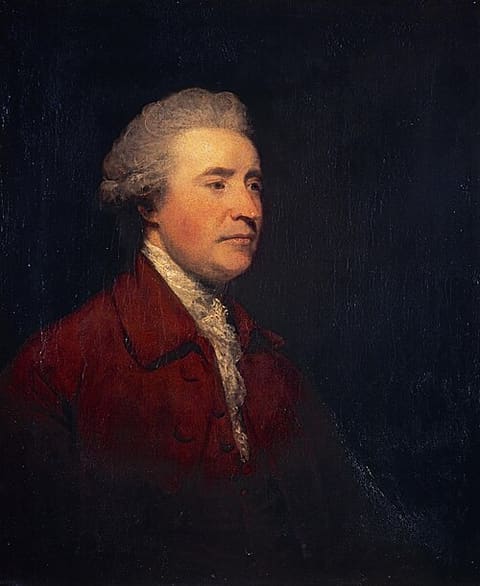
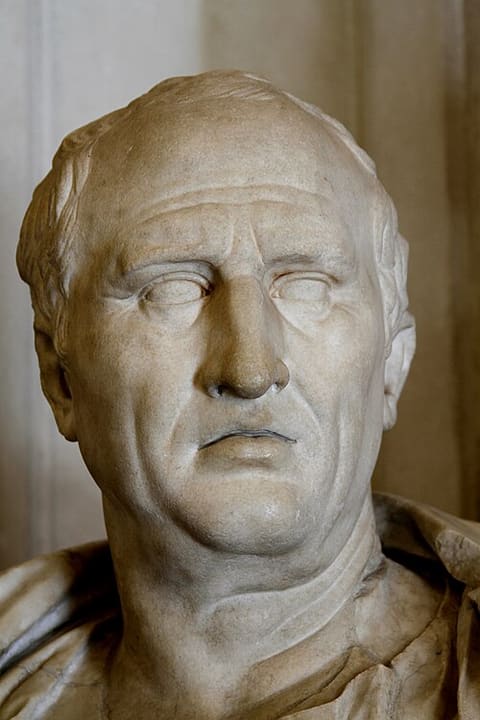
The father of modern conservatism, Burke defended prudent reform, tradition, and institutions against abstract rationalism and revolutionary rupture, harshly criticizing the excesses of the French Revolution.
Closest, by dimension
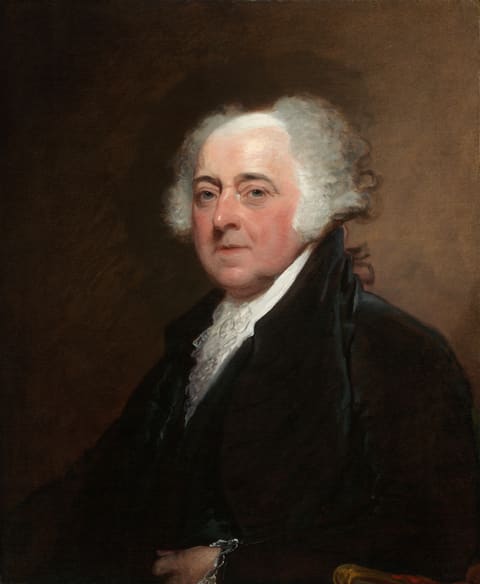
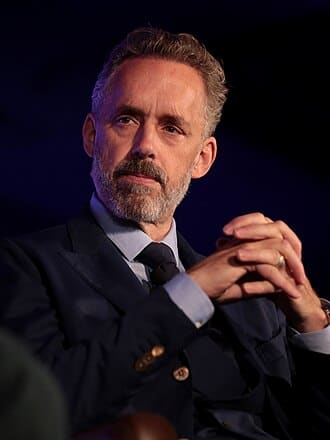
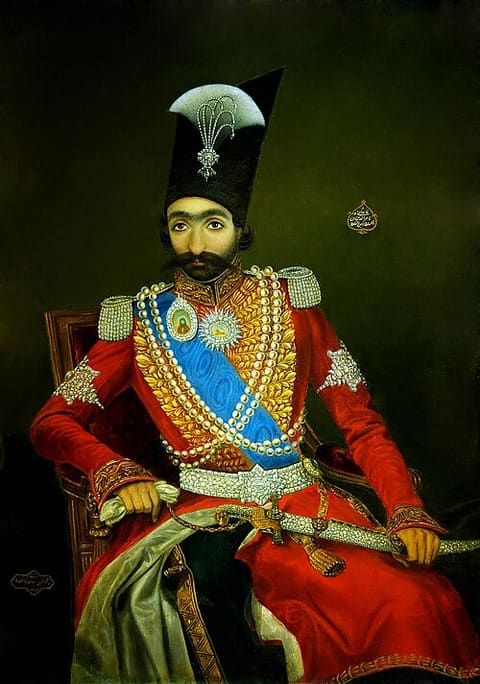
Other compatible profiles




The most distant
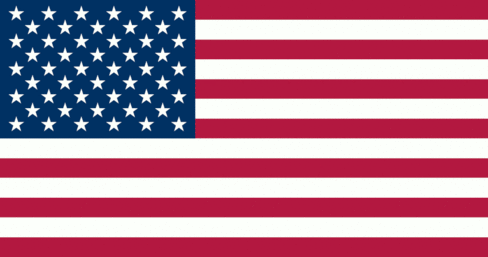
Reference country
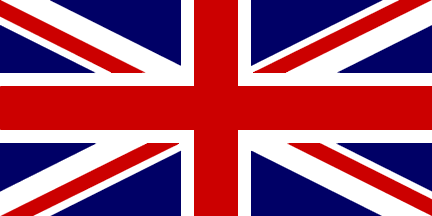
A parliamentary monarchy, the United Kingdom has a long liberal and democratic tradition, a market economy, and a strong financial sector, maintaining global influence after leaving the European Union in the process known as Brexit.
Other close countries
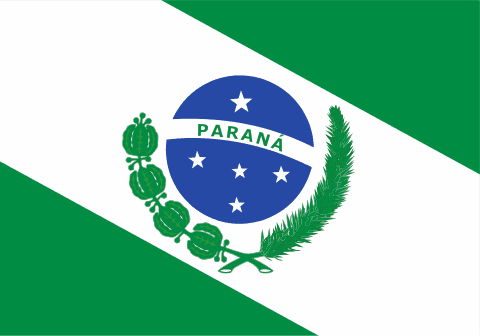
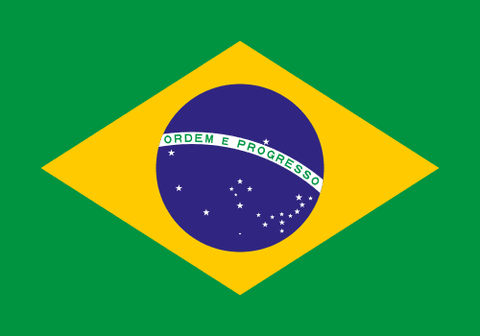
A southern state with strong agribusiness and European immigrant settlement, Paraná combines a thriving agricultural and industrial economy with a mostly conservative, economically liberal electorate.
Also close, by dimension
The most distant

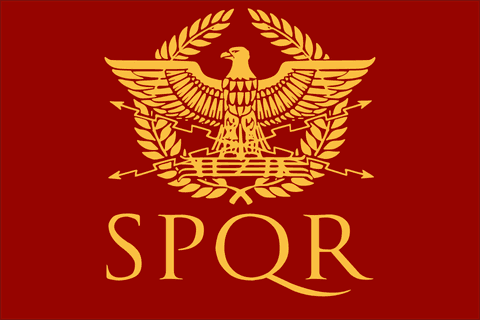
Lutheran German state with pioneering manufacturing and mining, a Catholic dynasty, and parliamentary traditions inside the German Confederation and Empire.
Also close, by dimension
The most distant
Ideological proximity
Closest within Right
Conservatism that protects institutions, family and order without doctrinal rigidity: it allows gradual reform and concessions in order to conserve the essential, in the line of Burke and Disraeli, rather than restoring an idealized past.
Right-wing current that unites free markets, traditional values, and an interventionist foreign policy, advocating the promotion of democracy and national interests through military force and global leadership.
Right-wing current that combines free markets, free trade, and limited government with strong national identity, cultural assimilation, traditional and religious values, and a robust military.
Closest in other spectrums
Centrist branch that combines economic moderation and institutional respect with social conservatism, valuing family, religion, order, and gradual change without joining the authoritarian right or populist radicalism.
German liberal school of Freiburg (Eucken, Rüstow, Müller-Armack) that defends the free market within firm rules guaranteed by the state, against monopolies and central planning, with a Christian ethical basis and social policy, the origin of the social market economy.
Government ruled by the Torah and halakha, with rabbinical courts, judges or kings under religious authority, Judaism as the state religion and rejection of assimilation, inspired by the biblical kingdoms of Israel and Judah.
The most distant ideology
Techno-CommunismAnarchist24%These are reference points for interpreting the profile. The person and polity illustrate parts of it, and may differ from it elsewhere.
The largest gap from the catalog median is on Religion. The profile scores 72.5% toward Religious on that axis.
It compares your twelve scores with the ideology profiles in the catalog. Two profiles can be close overall and still differ on a particular issue.
Open the comparison with Pragmatic Conservatism to see both scores on every axis.