Home / Countries / Corporatist Austria

Catholic corporatist stateHistorical regime · 1934–1938

Corporatist Austria

The Ständestaat of Dollfuss and Schuschnigg: the 1934 civil war, dissolved parties, the Fatherland Front, professional corporations, political Catholicism, anti-Nazism and anti-socialism, until the 1938 Anschluss.

Predominant spectrum
Third Position
Linked ideology
Austrofascism
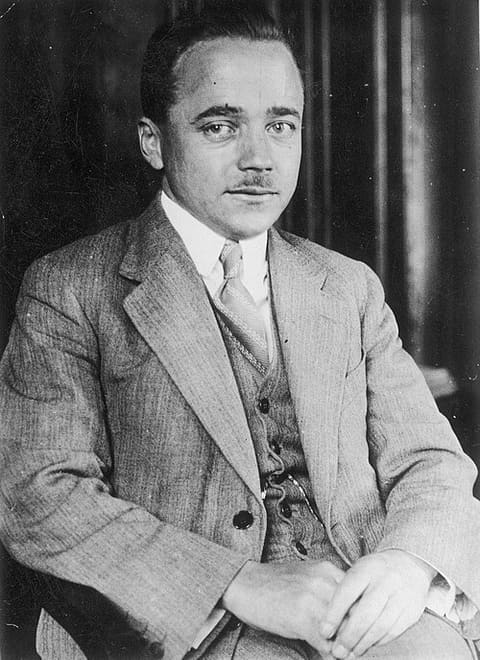
Closest personality
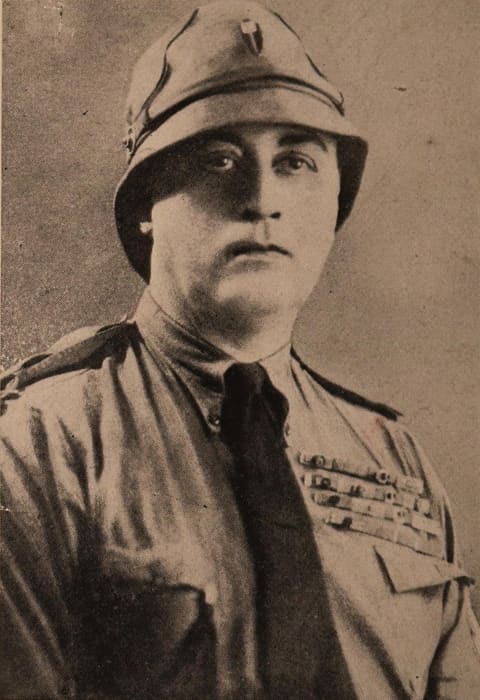
Engelbert Dollfuss
Compare with… Historical context ↓
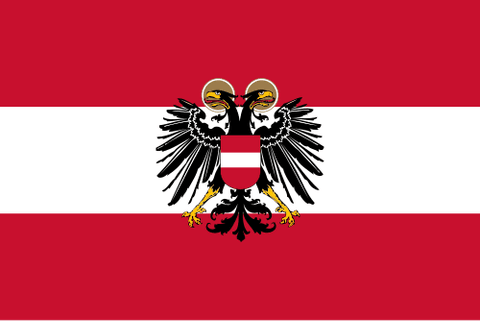
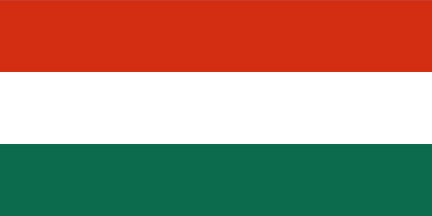
Flag: Corporatist Austria

Political axes

Profile across the 12 axes

  • Structure

    Strong · Unitary
    Federal21%
    Unitary79%
  • Representation

    Very strong · Autocracy
    Democracy8%
    Autocracy92%
  • Power

    Very strong · Security
    Security89%
    Liberty11%
  • Immigration

    Strong · Assimilation
    Assimilation78%
    Multiculturalism22%
  • Diplomacy

    Balanced
    Militarist51%
    Pacifist50%
  • Intervention

    Balanced
    Non-interventionist47%
    Nationalist53%
  • Economy

    Leaning · Public
    Public58%
    Private42%
  • Control

    Leaning · Planning
    Planning70%
    Free market31%
  • Trade

    Strong · Protectionism
    Protectionism74%
    Globalism26%
  • Religion

    Very strong · Religious
    Irreligious2%
    Religious98%
  • Morality

    Very strong · Traditionalist
    Progressive8%
    Traditionalist92%
  • Technology

    Leaning · Biology
    Technology37%
    Biology63%

What sets Corporatist Austria apart

Most unusual position

Representation

Leans further toward autocracy than 94% of the 320 countries and regimes in the catalog.

Country median 50Corporatist Austria 8

Of all the axes, Representation is where it stands furthest from the rest.

Most common position

Intervention

On Intervention, it sits practically at the catalog median.

Country median 48Corporatist Austria 47

Here it shares common ground with most countries.

Historical context

Period covered by this profile
1934–1938
Political system in the catalog
Catholic corporatist state

The dates describe the period covered by the catalog profile. The reference article may cover a longer period.

Sources and further reading

Frequently asked questions

Which axis sets Corporatist Austria apart in the catalog?

The largest gap from the catalog median is on Representation. The profile scores 92.1% toward Autocracy on that axis.

How does the test calculate a match with Corporatist Austria?

It compares your twelve scores with a reference profile for 1934–1938. The score refers to that profile. Measuring public opinion would require a separate survey.

Which profile can I compare side by side?

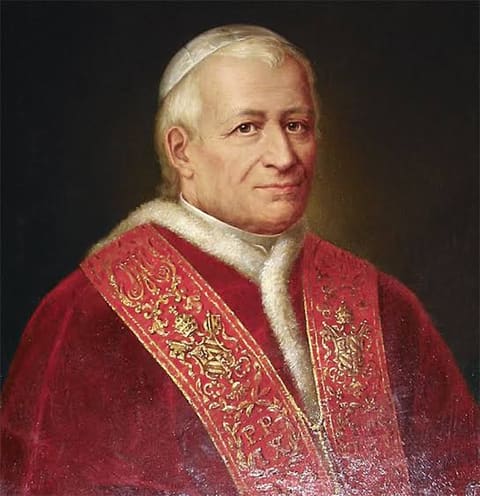
Open the comparison with Papal States to see both scores on every axis.